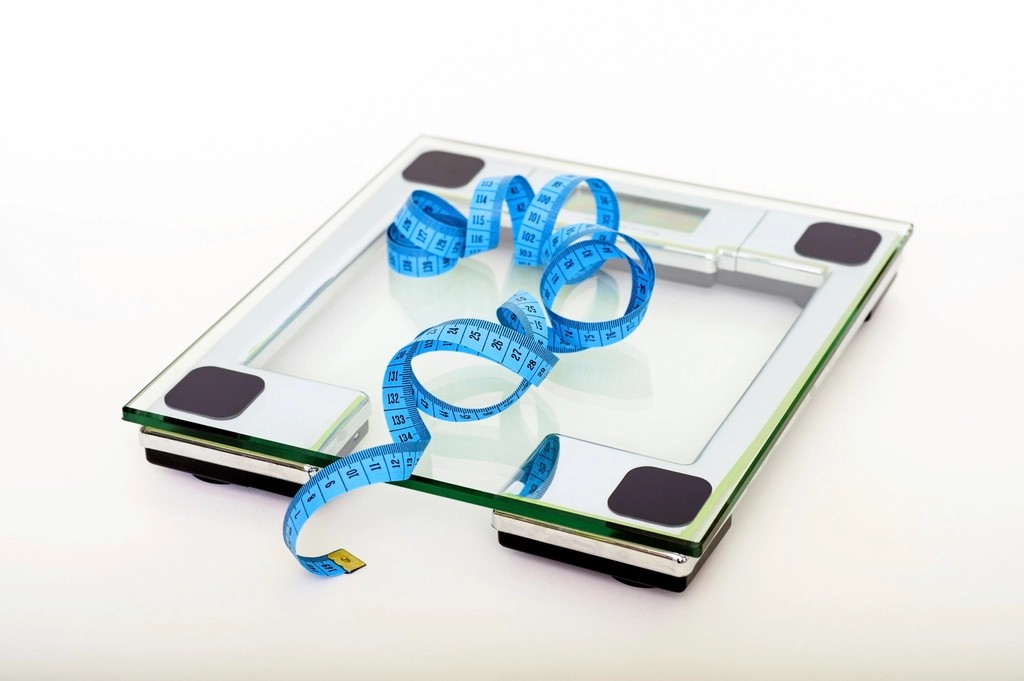
It is tempting to chase fast results. Social media is full of plans promising dramatic transformations in a few weeks. But anyone who has tried a crash diet knows how the story often ends: the weight drops quickly, hunger and cravings build, and the pounds creep back. A slower, steadier approach may feel less exciting, yet it is much more likely to give you results you can keep.
What Counts as Slow and Steady?
Many health organizations suggest aiming to lose around 0.5 to 1 kilogram (about 1 to 2 pounds) per week. This usually comes from a modest daily calorie deficit combined with more movement, rather than cutting out whole food groups. Even losing 5 to 10 percent of your body weight can bring meaningful health benefits, including better blood pressure, blood sugar and cholesterol levels.
Why Gradual Loss Works Better
Very low-calorie diets can lead to a bigger loss of muscle along with fat, and muscle helps you burn energy even at rest. Severe restriction also tends to increase hunger and make you think about food constantly, which makes the plan hard to stick with. A gentler approach lets you build habits that fit your life, so there is no dramatic “after” phase where old routines return.
- Make one change at a time: swap sugary drinks for water before tackling anything else.
- Prioritize protein and fiber: both help you feel full on fewer calories.
- Move every day: walking, strength training and active hobbies all count.
- Sleep well: short sleep is linked to stronger cravings and larger portions.
- Track trends, not days: weigh yourself weekly and look at the overall direction.
“The best weight-loss plan is not the fastest one. It is the one you can still happily follow a year from now.” – registered dietitian
Be Patient With Plateaus
Weight rarely falls in a straight line. Water retention, hormones and a salty meal can all nudge the scale up for a few days. Plateaus are normal, and they are a good moment to review your habits rather than to give up. If you have a lot of weight to lose or a medical condition, your doctor can help you find a safe plan.
Slow progress is still progress. Focus on habits you enjoy, celebrate non-scale wins like more energy and looser clothes, and trust that small, steady steps add up over time.