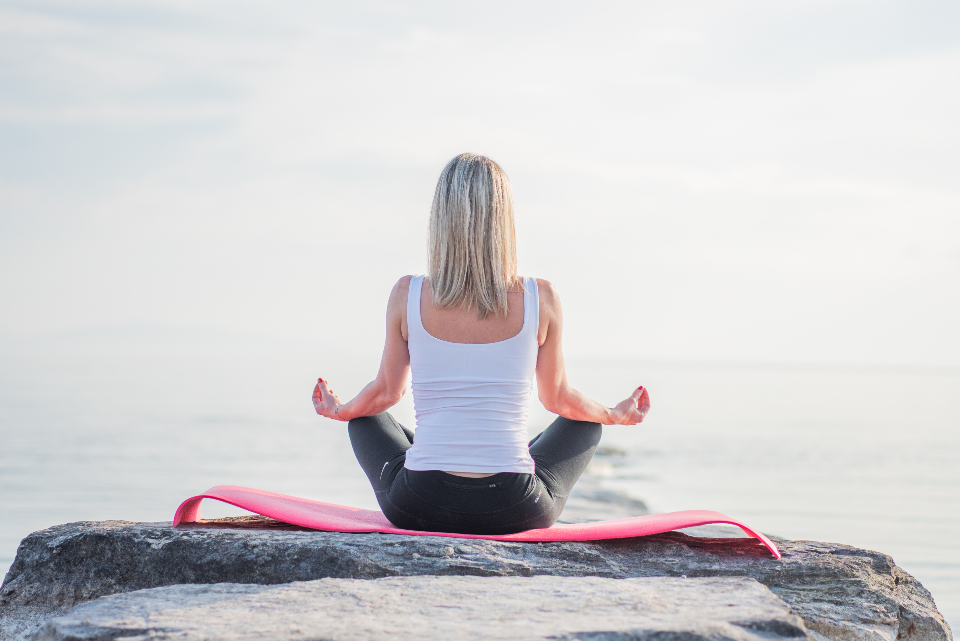
Deadlines, traffic, difficult conversations and a constant stream of notifications can leave your mind racing and your shoulders tight. When stress builds, your body shifts into fight-or-flight mode: your heart beats faster, your breathing becomes shallow and your muscles tense. One of the quickest ways to tell your body that it is safe again is surprisingly simple. You change the way you breathe.
Why Slow Breathing Works
Slow, deep breathing, especially with a longer out-breath, activates the parasympathetic nervous system, often called the “rest and digest” system. Studies suggest that breathing at around six breaths per minute can lower heart rate, ease feelings of anxiety and improve focus. The best part is that you can do it anywhere, from your desk to the back seat of a taxi.
The 5-Minute Exercise
Sit comfortably with your feet flat on the floor, or lie down if you can. Rest one hand on your chest and one on your belly. Then follow these steps:
- Breathe in through your nose for a count of four, letting your belly rise rather than your chest.
- Pause gently for a count of one or two without straining.
- Breathe out slowly through pursed lips for a count of six, as if blowing through a straw.
- Repeat for five minutes, using a timer so you do not need to watch the clock.
- If your mind wanders, simply notice it and return your attention to counting.
“Your breath is the one part of the stress response you can control directly. Slow the exhale and the rest of your body tends to follow.” – clinical psychologist
Making It Part of Your Day
Like any skill, calm breathing gets easier with practice. Try it at the same time each day, perhaps before work or at bedtime, so it is ready when you really need it. Some people link it to everyday cues, such as waiting for the kettle to boil or sitting in the car before walking into the office. If you ever feel dizzy, return to normal breathing and try a shorter count.
Five minutes is a small investment for a calmer mind. Give this exercise a try the next time stress rises, and notice how your body responds. If stress or anxiety feels overwhelming or lasts for weeks, reaching out to a doctor or mental health professional is a sign of strength.
This article is for general information and is not a substitute for professional advice.