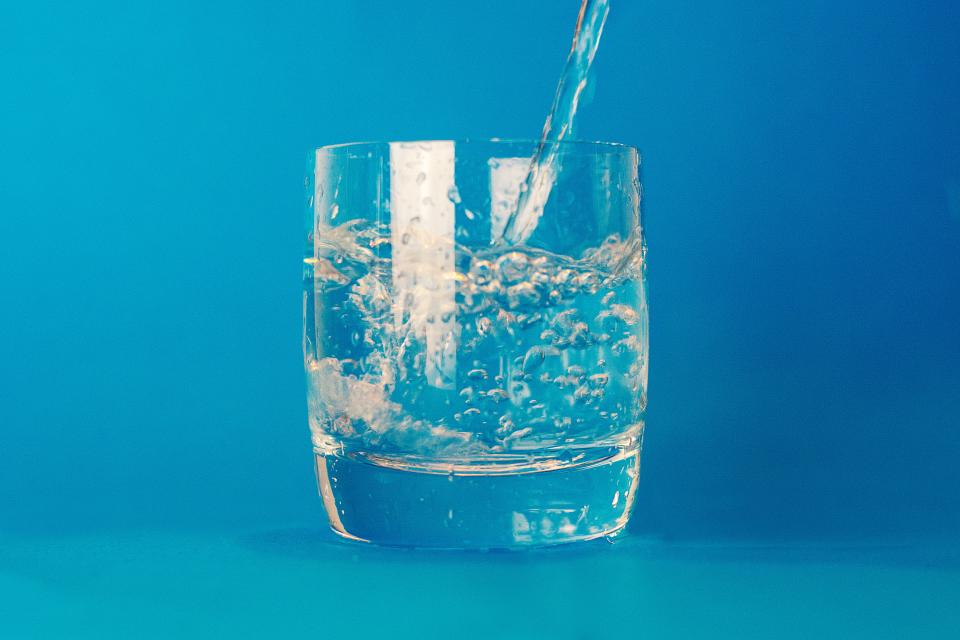
Water makes up more than half of your body weight and is involved in almost every process that keeps you going, from regulating temperature to cushioning joints and carrying nutrients to your cells. Even mild dehydration can leave you tired, headachy and less able to concentrate. So how much should you actually drink?
What the Experts Say
The popular “eight glasses a day” rule is a reasonable starting point, but real needs vary. The US National Academies suggest a total daily water intake of about 2.7 liters for women and 3.7 liters for men. That figure includes water from all drinks and food, and food typically provides around 20 percent of it. You will need more in hot weather, when you exercise, when you are ill with a fever or vomiting, and during pregnancy or breastfeeding.
How to Tell If You Are Drinking Enough
For most healthy people, thirst is a reliable guide. Another simple check is the color of your urine: pale straw yellow usually means you are well hydrated, while dark yellow suggests you need more fluids. Older adults may feel less thirsty, so they may need to drink more deliberately.
- Keep a bottle nearby: having water within reach makes sipping automatic.
- Start the day with a glass: it is an easy habit to link with brushing your teeth.
- Eat water-rich foods: cucumber, watermelon, oranges and soups all contribute.
- Add natural flavor: try slices of lemon, mint or berries if plain water feels boring.
- Drink around exercise: sip before, during and after activity, especially in the heat.
“Hydration does not have to be complicated. Drink when you are thirsty, check the color of your urine and drink a little more when it is hot or you are active.” – registered dietitian
Do Tea and Coffee Count?
Yes. Although caffeine has a mild diuretic effect, moderate amounts of tea and coffee still contribute to your daily fluid intake. Milk, sparkling water and herbal teas count too. Sugary drinks and alcohol are best kept to a minimum, as they add calories without many benefits. People with kidney, heart or liver conditions may have specific fluid limits, so follow your doctor’s advice.
Staying hydrated is one of the simplest things you can do for your health. Keep water close, listen to your thirst and you will likely feel more energetic and focused throughout the day.