Counting every calorie can be tiring, and for many people it takes the joy out of eating. The good news is that you can eat a healthy, balanced diet without an app or a food scale. The plate method, used by many dietitians and public health organizations, is a simple visual guide that works for almost any meal and any cuisine.
The Plate Method Explained
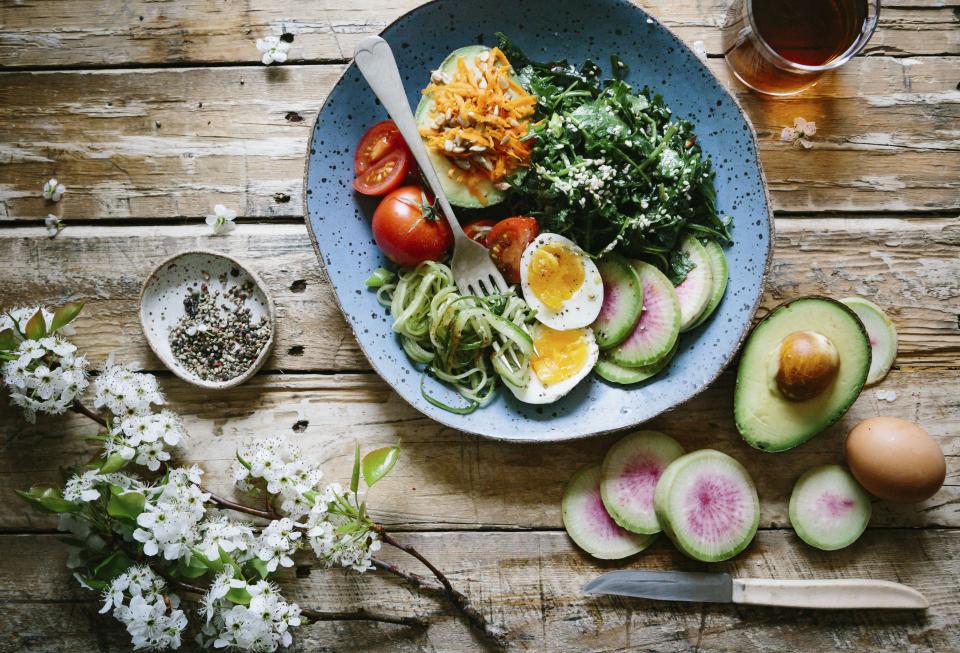
Picture a standard dinner plate, about 23 centimeters across. Fill half of it with vegetables and salad, especially non-starchy options like leafy greens, broccoli, peppers, tomatoes and carrots. Fill one quarter with lean protein, such as fish, chicken, eggs, beans, lentils or tofu. Fill the final quarter with high-fiber carbohydrates like brown rice, wholegrain pasta, potatoes with the skin on or quinoa. Add a small amount of healthy fat, such as olive oil, avocado or a sprinkle of nuts, and drink water with your meal.
Why It Works
Filling half your plate with vegetables naturally adds fiber, vitamins and volume without many calories, so you feel full while eating fewer energy-dense foods. The protein portion helps keep you satisfied, and choosing whole grains over refined ones supports steadier blood sugar and good digestion.
- Start with vegetables: serve them first so they claim half the plate before anything else.
- Use your hand as a guide: a palm-sized portion of protein and a fist-sized portion of carbs suit most adults.
- Mix colors: the more colorful your plate, the wider the range of nutrients you are likely to get.
- Adapt, do not abandon: for stews, curries and pasta dishes, add a side salad or extra vegetables to balance the meal.
“You do not need a calculator to eat well. If half your plate is plants at most meals, you are already doing better than most people.” – registered nutritionist
Making It a Habit
Start with one meal a day, perhaps dinner, and build from there. Keep frozen vegetables in the freezer for nights when fresh ones run out, and cook extra grains and beans to use in lunches. Your needs may be different if you are very active, pregnant or managing a health condition, so a dietitian can help tailor the portions to you.
Healthy eating is about patterns, not perfection. Try building a balanced plate at your next meal and see how satisfying simple, colorful food can be.